Effective Classroom Management Strategies for Difficult Students
Effective Classroom Management Strategies for Difficult Students
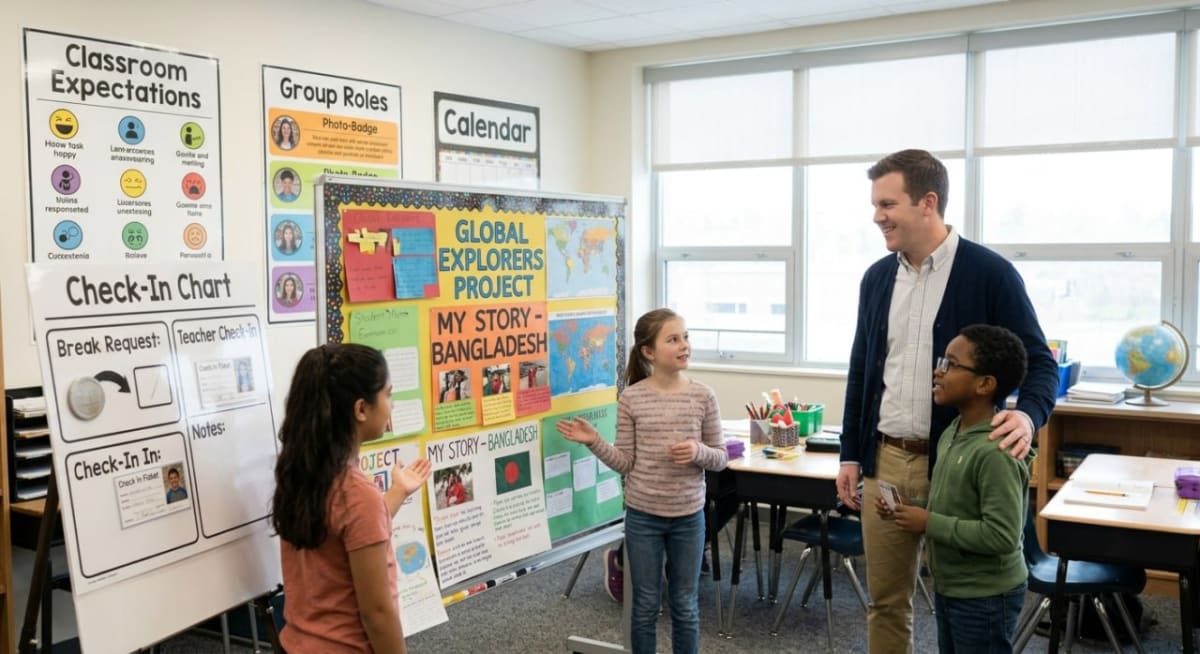
Managing a classroom can be one of the most rewarding yet challenging responsibilities for any teacher. Every student has a different personality, learning style, emotional background, and level of understanding. While some students follow instructions easily, others may struggle with concentration, disrupt lessons, refuse to participate, or frequently challenge classroom rules. These behaviors can make teaching difficult, especially when educators need to maintain a positive learning environment for everyone. Understanding practical classroom management strategies for difficult students can help teachers handle challenging situations with patience, confidence, and consistency.
#Understand the Reasons Behind Student Behavior
One of the first steps toward effective classroom management is understanding why a student behaves in a particular way. Disruptive behavior does not always mean a student is intentionally being disrespectful. Sometimes, it may result from frustration, academic difficulties, social challenges, lack of attention, or problems outside the classroom.
Teachers should observe patterns and identify situations that trigger unwanted behavior. For example, a student who frequently interrupts lessons may struggle with waiting for attention, while another who refuses to complete assignments may find the subject difficult. Understanding these underlying causes allows educators to respond appropriately instead of simply reacting to the behavior.
#Establish Clear Rules and Expectations
Students need to understand what is expected of them. Establishing simple, consistent classroom rules creates structure and reduces confusion. Teachers should explain expectations at the beginning of the school year and reinforce them regularly.
Rules should be specific, realistic, and easy to remember. Examples include listening when someone speaks, respecting classmates, completing assigned work, and following instructions. Teachers can also involve students in creating classroom guidelines. When learners participate in setting expectations, they may feel more responsible for maintaining a respectful environment.
Consistency is equally important. Applying the same rules fairly helps students understand that classroom expectations are not dependent on a teacher's mood.
#Build Positive Relationships With Students
A strong teacher-student relationship can significantly improve classroom behavior. Students are more likely to cooperate when they feel respected, supported, and understood. Teachers should make an effort to learn about students' interests, strengths, concerns, and individual learning needs.
Simple actions, such as greeting students by name, listening carefully, acknowledging their efforts, and offering encouragement, can make a meaningful difference. When a student displays challenging behavior, speaking privately rather than correcting them publicly can also prevent embarrassment and unnecessary conflict.
Positive relationships create trust, making it easier for teachers to guide students toward better choices.
#Use Positive Reinforcement
Recognizing good behavior is often more effective than focusing exclusively on mistakes. Positive reinforcement encourages students to repeat appropriate actions by acknowledging their effort and progress.
Teachers can use verbal praise, classroom privileges, achievement charts, or small rewards to recognize positive behavior. For instance, praising a student for completing an assignment on time may encourage greater responsibility.
However, rewards should not become the only reason students behave appropriately. Educators should also help learners understand the importance of respect, cooperation, and self-discipline.
#Provide Engaging and Structured Lessons
Students may become disruptive when lessons are confusing, repetitive, or difficult to follow. Creating engaging activities can help maintain attention and reduce unnecessary classroom interruptions.
Teachers can combine discussions, group activities, practical exercises, visual materials, and individual assignments to accommodate different learning preferences. Breaking larger tasks into smaller steps can also help students who struggle with concentration or organization.
A predictable daily routine is another useful approach. When students know what comes next, they often feel more comfortable and prepared to participate.
#Handle Conflicts Calmly and Fairly
When challenging behavior occurs, teachers should avoid responding with anger or embarrassment. Remaining calm helps prevent minor disagreements from becoming larger conflicts.
Instead of immediately criticizing a student, educators can explain which behavior is inappropriate and describe its impact on others. Offering reasonable choices can also help students feel involved in solving problems.
For repeated behavioral concerns, private conversations, communication with parents, and support from school counselors may be necessary. Working together creates a more consistent support system for the student.
#Conclusion
Effective classroom management requires patience, understanding, preparation, and consistency. Difficult behavior should be viewed as an opportunity to understand students' needs and teach valuable social skills rather than simply as a problem to eliminate. By establishing clear expectations, building positive relationships, encouraging good behavior, and creating engaging lessons, teachers can develop a classroom where students feel respected and motivated. With the right approach, even challenging classroom situations can become opportunities for growth, learning, and positive development.
Enjoyed this article?
We're always looking for guest writers. Share your expertise with our community and reach thousands of readers.
Submit a Guest Post →