Decorative Wall Trim for Accent Walls and Panel Compositions
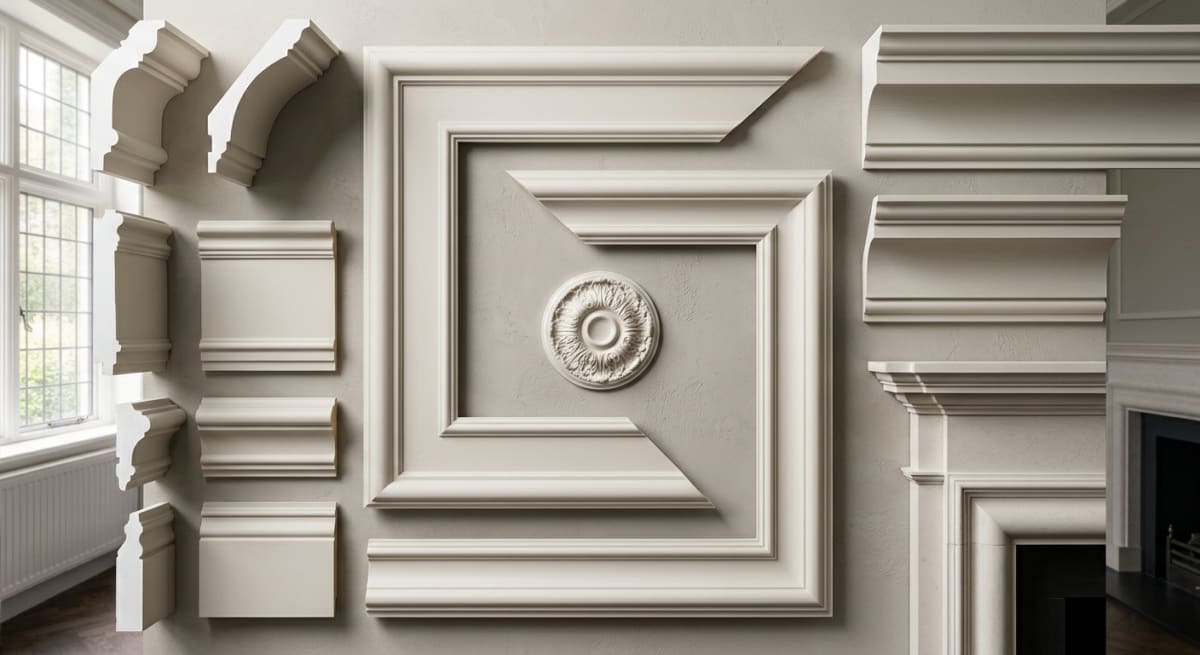
Decorative wall trim is a timeless way to add character, depth, and visual interest to interior spaces. Whether used in a modern apartment, a traditional living room, or an elegant bedroom, carefully designed wall details can transform a plain surface into an attractive architectural feature. By combining different trim profiles, colors, and layouts, homeowners can create accent walls that reflect their personal style while maintaining a balanced and sophisticated appearance.
One of the most versatile options for interior decoration is decorative wall molding, which can be used to frame wall panels, highlight specific areas, and introduce attractive geometric patterns. From simple rectangular arrangements to more elaborate compositions, molding helps organize a wall visually without requiring major structural changes. Its flexibility makes it suitable for both small decorative projects and complete room transformations.
#Creating an Attractive Accent Wall
An accent wall serves as a focal point within a room, drawing attention to a particular area and establishing the overall decorative mood. Wall trim can make this feature more distinctive by creating clearly defined sections and adding subtle shadows. For example, a living room wall behind a sofa can feature symmetrical rectangular frames that complement the furniture arrangement.
In bedrooms, trim can be installed behind the headboard to create a refined backdrop. In dining rooms, decorative framing can emphasize a sideboard, artwork, or a central lighting fixture. The key is to choose a design that enhances the room rather than overwhelming it. Simple profiles often work best in contemporary interiors, while more detailed trim can complement classic or traditional spaces.
#Designing Balanced Panel Compositions
Panel compositions bring structure and order to large wall surfaces. They can consist of evenly spaced rectangular frames, a combination of large and small panels, or layouts that follow the proportions of the room. Proper spacing is essential because it helps the finished design look intentional and professionally planned.
Before installation, measure the wall carefully and mark the proposed panel positions. Consider the placement of doors, windows, electrical outlets, furniture, and existing architectural features. Maintaining consistent gaps between frames usually creates a clean appearance, although a more creative arrangement may suit interiors with an artistic or contemporary character.
The size of each panel should also correspond to the dimensions of the wall. Large panels can make spacious rooms feel cohesive, while smaller frames may be more appropriate for narrow walls or compact interiors. A well-proportioned composition can make an ordinary wall appear more refined without introducing unnecessary decoration.
#Choosing the Right Trim Profile and Finish
The profile of the trim plays an important role in the final appearance. Narrow molding with clean lines can support minimalist interiors, while wider profiles create a stronger architectural presence. Curved edges and ornamental details are often suitable for interiors inspired by classical design.
Material selection is equally important. Polyurethane and other lightweight decorative materials are popular for interior applications because they can offer detailed profiles without the weight of traditional materials. The appropriate choice depends on the desired appearance, installation requirements, and environmental conditions of the room.
Color can further influence the effect of a panel composition. Painting the trim and wall in the same shade creates a subtle, sophisticated result, allowing shadows and raised details to provide visual interest. Contrasting colors make the frames more noticeable and can give the accent wall a bolder appearance. Neutral shades such as white, beige, gray, and warm cream remain versatile options for many interior styles.
#Installation Tips for a Professional Result
Successful installation begins with careful preparation. The wall should be clean, dry, and sufficiently smooth to support the selected molding. Accurate measurements and clear guidelines help prevent uneven frames and inconsistent spacing. Corners should be cut precisely, and the recommended adhesive or fixing method should be suitable for the chosen material and wall surface.
After installation, fill appropriate joints and gaps, then prepare the surface for painting according to the manufacturer's instructions. Taking time with these finishing details can significantly improve the overall result.
#Conclusion
Decorative wall trim offers a practical and stylish way to create accent walls and organized panel compositions. By selecting suitable profiles, planning balanced layouts, and coordinating colors with the surrounding interior, homeowners can achieve a polished appearance that complements their furniture and architectural features. With thoughtful design and careful installation, even a simple wall can become a distinctive element that adds lasting visual appeal to the home. Wall Molding Profiles for Living Rooms, Bedrooms and Hallways
#PolyurethaneMolding #ArchitecturalMolding
Enjoyed this article?
We're always looking for guest writers. Share your expertise with our community and reach thousands of readers.
Submit a Guest Post →